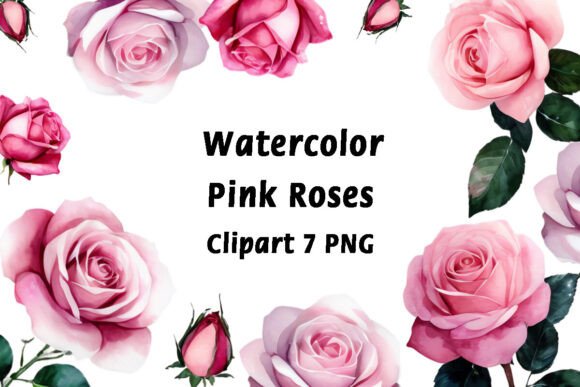
Pink Roses Watercolor Clipart: Your Guide to Elegant Digital Design
There is an undeniable charm to pink roses watercolor clipart. These delicate, pastel-hued illustrations capture the timeless beauty of nature, offering a soft, artistic touch to any project. Whether you are a blogger looking to enhance your posts, a small business owner designing promotional materials, or a hobbyist creating personalized invitations, these graphics provide a versatile and beautiful solution. However, moving from admiring a clipart set to successfully integrating it into your work involves more than a simple download and drop. Many creators, both new and experienced, stumble over common pitfalls that can compromise the quality and impact of their final design.
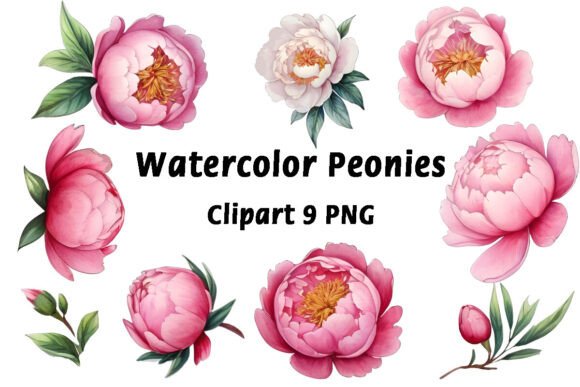
The appeal of a set like this is clear: seven high-resolution, 3000x3000 pixel PNG files at 300 dpi offer immediate creative potential. Yet, the value is only realized through proper application. Let's explore the frequent mistakes made when working with watercolor clipart and how you can avoid them to ensure your projects look professional and polished.
Understanding the Asset: Beyond the Pretty Picture
Before you even begin designing, it's crucial to understand what you're working with. A common oversight is treating watercolor clipart as a simple, flat graphic. These are not solid color vectors; they are raster images (PNGs) with transparency, texture, and subtle color variations that mimic real paint. This is their strength, but it also requires consideration.
A frequent mistake is failing to check the file specifications against your project needs. The set you purchase is in RGB color mode, which is perfect for digital screens—blogs, social media, websites, and digital invitations. However, if your end goal is professional printing, especially for items like business cards or high-quality flyers sent to a print shop, you may need to convert the color mode to CMYK. This conversion can sometimes slightly alter the vibrancy of the pinks and greens, so it's a step best done early in your workflow to avoid surprises.
Furthermore, the 300 dpi resolution is ideal for print, ensuring crisp edges when printed at the intended 10x10 inch size. But what if you need a smaller element for a blog sidebar or a larger background for a poster? This is where understanding scaling is vital. Scaling up a raster image beyond its native resolution will lead to pixelation and a loss of that beautiful watercolor detail. Instead, plan your layout to use the clipart at or below 100% size. For smaller applications, scaling down is perfectly fine and maintains quality.
Integration and Composition: Creating Harmony, Not Clutter
One of the most significant challenges is integrating these artistic elements seamlessly into a design. A poorly placed or poorly combined clipart can make a professional project look amateurish. The goal is to use the pink roses watercolor clipart to enhance your message, not overpower it.
A common error is using the clipart at its full, opaque intensity directly onto a busy background. The delicate, translucent nature of watercolor art gets lost or clashes violently with strong patterns or colors. A better approach is to use the clipart on a clean, solid, or subtly textured background. Off-white, soft cream, light gray, or even a very pale pink allows the artwork to breathe and stand out as intended.
Another oversight is ignoring the power of layering and adjustment tools in design software. Don't just place the graphic on top of your text. Experiment with layer blending modes like "Multiply," "Screen," or "Overlay" to create more integrated effects. You can also adjust the opacity of the clipart to make it a more subtle watermark or background texture. For instance, setting a large rose cluster to 30% opacity behind a blog post title creates an elegant, branded header without sacrificing readability.
Practical Applications and Avoiding Misuse
The versatility of this clipart set is a major selling point, but applying it effectively requires thought. Let's look at specific use cases and the mistakes to avoid.
- For Bloggers and Web Designers: A major mistake is using the same clipart element repeatedly across a site, making it look generic. Instead, use the seven different elements to create a cohesive but varied visual language. One rose cluster could be your post signature, a single bloom could accent your sidebar, and a wreath could frame a special announcement. Always optimize the PNG files for web use to ensure fast page loading times—large file sizes can hurt your SEO and user experience.
- For Print Projects (Invitations, Postcards, Souvenirs): Here, the mistake is often neglecting the bleed and trim area. If a rose extends to the edge of your design, you must include a bleed (extending the image slightly beyond the final cut line) to avoid unprinted white edges after trimming. Ensure your design software is set up for print with the correct bleed margins from the start.
- For Digital Scrapbooking and Craft Projects: The misunderstanding here can be about resolution. While 300 dpi is perfect for printing your scrapbook page, if you're only creating a digital album to view on screen, you might be working with unnecessarily large files. You can safely reduce the resolution to 150 dpi for purely digital use without any visible quality loss, which makes your files easier to manage and share.
What to Check Before You Buy and Use
Before purchasing any digital clipart, including a pink roses watercolor set, do your due diligence. Read the product description thoroughly. Confirm the number of files, the format (PNG is standard for transparency), the resolution, and the color mode. Check the licensing terms—most sets for personal and small commercial use have limits on the number of end products or prints. Ensure the license fits your intended use, especially if you plan to sell products featuring the designs.
After downloading, immediately check the files. Open one in your design software. Zoom in to 100% to verify the quality and crispness of the edges. Check that the transparency is intact (the background should be a checkerboard pattern in software like Photoshop, or transparent in others). This quick check saves immense frustration later.
Finally, organize your files. Create a dedicated folder for this asset. Renaming the files to something descriptive (e.g., "PinkRose_Wreath_01.png") instead of the default code will streamline your workflow and prevent you from losing track of what you have.
By approaching pink roses watercolor clipart not just as a decorative element but as a professional design tool, you unlock its full potential. Understanding its technical aspects, integrating it thoughtfully, and applying it correctly to your specific project will elevate your work from simply using a graphic to crafting a compelling visual narrative. Take the time to use it wisely, and the timeless elegance of these pastel roses will truly shine through in everything you create.