Headphone Glyph Icon: A Practical Review of a Versatile Audio Symbol
In digital design, clarity and immediate recognition are paramount. A well-chosen icon can communicate an entire concept in a fraction of a second, guiding user experience without a single word of text. For projects involving audio, music, podcasts, communication, or customer support, the headphone symbol is a universal shorthand. The Headphone Glyph Icon under review is a specific asset pack designed to serve this need across a multitude of platforms. This article examines its composition, practical applications, and overall value for professionals and creators.
Understanding the Core Asset
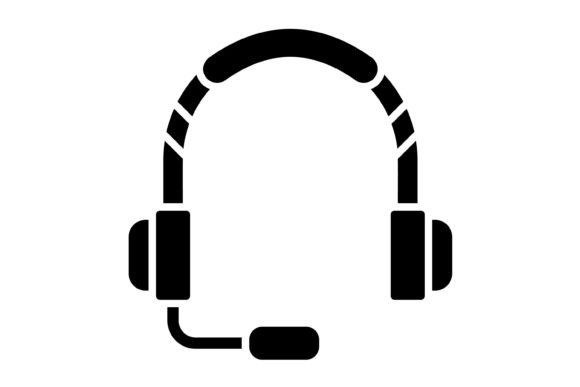
At its heart, this is a vector-based glyph icon representing a pair of over-ear headphones. A "glyph" style typically means the icon is a solid, single-color symbol designed for simplicity and bold visual impact. This particular asset is not a standalone image but a comprehensive package. The key offering is a zip file containing the icon in five different formats: AI, EPS, JPG, PNG with a transparent background, and SVG. This format diversity is the first indicator of its intended professional use, as it addresses the common challenge of asset compatibility across different software and workflows.
Anatomy of the Package: File Formats and Their Uses
The inclusion of five formats transforms this from a simple icon download into a versatile design resource. Each format serves a distinct purpose:
- AI (Adobe Illustrator) and EPS (Encapsulated PostScript): These are vector formats. They are the master files, allowing designers to edit the icon's paths, colors, and scale without any loss of quality. This is essential for customization and for creating derivatives.
- SVG (Scalable Vector Graphics): This is the modern vector standard for the web. SVGs are code-based, making them lightweight, scalable, and perfect for responsive websites and mobile applications where they can be styled with CSS.
- PNG (Portable Network Graphics) with Transparent Background: This raster format is crucial for direct implementation. The transparent background allows it to be placed over any colored or textured surface without a white box, which is vital for UI design, presentations, and layered graphics.
- JPG (Joint Photographic Experts Group): While less flexible for design work, JPGs are universally viewable. They are useful for quick mockups, presentations to clients who may not have design software, or for use in documents where vector editing is not required.
This multi-format approach ensures the Headphone Glyph Icon is ready for immediate use in Adobe Creative Suite, Figma, Sketch, web development environments, Microsoft Office, and more. It eliminates the common friction of having to convert or request assets in a different format, saving valuable time.
Practical Application Across Projects
The stated suitability for "Mobile Apps, Websites, Print, Presentation, Illustration, Templates" is credible given the asset's technical specifications. Here’s how it translates in practice:
- Mobile Apps & Websites: The SVG and PNG formats are ideal. A developer can implement the SVG directly into a web app's code for a crisp, scalable icon in navigation menus or feature lists. The PNG is perfect for use in mobile app UI kits or as a standalone button graphic.
- Print & Presentation: The vector formats (AI, EPS) are non-negotiable for high-resolution print. Whether it's for a brochure, business card, or a large-format poster, the icon will remain sharp. In presentations, the PNG can be used directly on slides, while the vector allows for last-minute color adjustments to match a brand palette.
- Illustration & Templates: For designers creating social media templates, infographic kits, or educational materials, having a clean, editable vector icon as a building block is a significant advantage. It can be incorporated into larger compositions, recolored, and combined with other elements seamlessly.
Evaluating Design and Usability
The icon's effectiveness hinges on its design. A strong glyph icon must be instantly recognizable, balanced, and aesthetically neutral enough to fit into various contexts. The description of "maximum usability" suggests a focus on clear lines, appropriate weight, and a form that is unambiguous even at small sizes.
A pack containing "100 vector icons" as part of a broader collection implies this headphone icon is part of a cohesive system. If the entire set maintains consistent stroke weight, corner radius, and overall style, its value multiplies exponentially. Consistency is a hallmark of professional icon sets, allowing designers to use multiple icons from the same family without visual dissonance. The ability to "edit and scale" easily is a direct benefit of its vector nature, empowering users to tailor the icon precisely to their project's needs—changing color to match a brand, adjusting stroke thickness, or integrating it into a custom logo.
Who Benefits Most from This Asset?
This resource is not for the casual user looking for a one-off image. Its primary audience is professionals and serious creators who value efficiency and quality in their workflow.
- UI/UX Designers and Web Developers: They will appreciate the pre-optimized formats for digital use, particularly the SVG and transparent PNGs, which integrate directly into design systems and development sprints.
- Graphic Designers and Brand Strategists: The vector source files allow for deep customization to ensure brand alignment, making it a reliable component in larger branding projects or client work.
- Content Creators and Marketers: For those producing podcasts, videos, or digital content, a clean icon can enhance thumbnails, social media graphics, and channel art, adding a layer of professional polish.
- Educators and Small Business Owners: Creating instructional materials, website features, or marketing collateral often requires simple, clear visual cues. This icon provides a ready-made solution that looks professional and saves the cost of custom illustration for a common symbol.
Considerations and Realistic Value
No asset is without context. The true value of this Headphone Glyph Icon is realized when it solves a specific problem within a workflow. Its strength lies in its preparedness. Having the correct file format on hand prevents project delays. Its vector foundation ensures it won't become a bottleneck if project requirements change.
A potential limitation, common with icon packs, is the risk of overuse if the icon is too generic or part of an extremely popular set. However, the ability to edit the vector mitigates this, allowing for subtle customizations that can make the icon feel unique to a particular project or brand. The effectiveness also depends on the icon's style matching the overall aesthetic of the project it's being used in—a very modern, geometric glyph might clash with a vintage, hand-drawn design.
Ultimately, this asset represents a practical, foundational tool. It's not about flashy novelty but about reliable utility. For the professional who regularly works with audio-related content, having a high-quality, multi-format headphone icon in their toolkit is a small but meaningful investment in efficiency and output quality. It exemplifies how well-considered digital assets streamline creative and technical processes, allowing creators to focus on higher-level problems while trusting their foundational elements are robust and ready for deployment.