The Ultimate Blood Sugar Planner: A Comprehensive Guide to Taking Control of Your Health
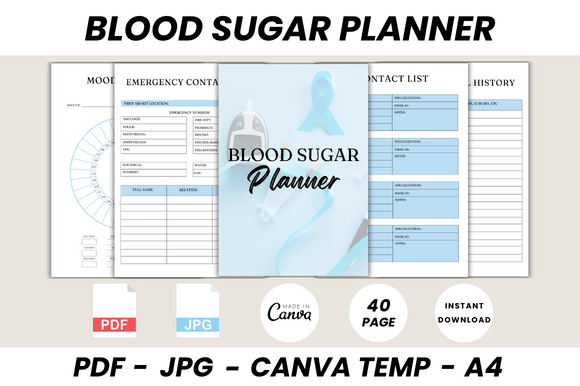
Managing blood sugar levels is a daily reality for millions of people worldwide, whether they are living with diabetes, prediabetes, or simply striving for optimal metabolic health. The journey involves constant vigilance—tracking what you eat, monitoring your body's responses, managing medications, and staying in close communication with healthcare providers. It can feel overwhelming, but the right organizational tool can transform this complex task into a manageable, even empowering, routine. This is where a dedicated planning system becomes invaluable, and modern solutions like The Ultimate Blood Sugar Planner Canva Template are designed to meet this exact need.
Why a Structured Blood Sugar Planner is a Game-Changer
At its core, blood sugar management is about patterns and data. Without a clear record, it's difficult to see how specific foods, activities, stress levels, or medication timings affect your glucose readings. A planner provides the structure to capture this data consistently. It moves you from reactive guesswork to proactive management. By logging your blood sugar readings alongside meals, exercise, and symptoms, you begin to see the direct cause and effect. This insight is powerful—it allows you and your doctor to make informed adjustments to your care plan, leading to better long-term outcomes and a greater sense of control over your well-being.
However, many people struggle with generic notebooks or scattered digital notes. A purpose-built planner, like the one mentioned, is designed with the specific needs of blood sugar tracking in mind. It anticipates the categories of information you need to record, from vital signs and medication schedules to food logs and mood tracking. This thoughtful organization reduces the mental load of "what should I write down?" and lets you focus on the health insights themselves.
Exploring the Components of a Comprehensive Planner
A truly effective blood sugar management tool goes beyond just a simple logbook. It becomes a centralized hub for all your health-related information. Let's break down the key sections that make a planner like The Ultimate Blood Sugar Planner so robust.
1. Foundational Information and Emergency Preparedness
The first step in any health management system is having your personal and medical details readily accessible. This includes:
- Belongs To & Contact Lists: Clearly labeling your planner and having emergency contacts, family contacts, and your primary care team's information at your fingertips is crucial, especially in an urgent situation.
- Medical Insurance & History: Keeping your insurance details and a comprehensive family medical history within the same planner streamlines appointments and ensures you can provide accurate information quickly.
- Emergency Contact List: This separate, prominent section is vital for safety, ensuring first responders or those around you can act swiftly if needed.
2. The Core: Tracking and Monitoring
This is the heart of the planner, where daily management happens. The inclusion of multiple, specialized tracking pages acknowledges that blood sugar fluctuates throughout the day and is influenced by numerous factors.
- Blood Sugar Logs and Trackers: The template offers multiple formats, including a general Blood Sugar Log, a Blood Sugar BP Log (combining blood pressure and glucose), and dedicated Blood Sugar Tracker pages. Having options allows you to choose the layout that best fits your monitoring style.
- Time-Specific Monitoring: Separate pages for Morning, Noontime, and Evening Monitoring help you establish and track patterns specific to different parts of your day. This is particularly useful for understanding dawn phenomenon or post-meal spikes.
- Vital Signs Tracker: Blood sugar doesn't exist in a vacuum. Tracking Blood Pressure and other vitals provides a more holistic view of your cardiovascular health, which is closely linked to metabolic health.
3. Nutrition and Lifestyle Integration
What you eat is one of the most significant levers you have for managing blood sugar. A good planner integrates nutrition directly into the tracking process.
- Low Carb Food Ideas & Favorite Meals: These sections are practical resources. Instead of staring into the fridge wondering what to eat, you can reference your pre-vetted list of Low Carb Food Ideas or quickly log a Favorite Meal you know works for your body.
- Healthy Recipe Page: This encourages you to build a personal cookbook of meals that support your health goals, making healthy eating more sustainable and enjoyable.
- Habit, Symptom, and Trigger Trackers: These pages are for the nuanced aspects of health. The Habit Tracker helps you build positive routines. The Symptom and Triggers Trackers allow you to connect the dots between how you feel (symptoms like fatigue or headaches) and potential causes (triggers like specific foods, stress, or poor sleep).
4. Holistic Health and Well-being
Modern health management recognizes that physical health is intertwined with mental and emotional well-being. This planner includes pages to track those vital elements.
- Sleep and Water Trackers: Poor sleep can directly impact insulin sensitivity, and hydration is key for overall bodily function. Tracking these helps you optimize these foundational pillars.
- Mood Tracker: There is a strong bidirectional link between blood sugar and mood. High or low glucose can cause irritability, anxiety, or brain fog. Conversely, stress can raise blood sugar. Tracking your mood alongside your glucose levels can reveal powerful insights.
- Medical Expenses & Appointment Notes: Managing a chronic condition often involves significant administrative work. Having dedicated pages for Medical Expenses, Appointment Trackers, and Appointment Notes keeps this administrative side organized, reducing stress and ensuring you get the most out of every doctor's visit.
The Power of Editable Digital Templates: What is Canva?
A key feature of this particular planner is its format as a Canva Template. This modern approach offers significant advantages over a static, pre-printed book. Canva is a free-to-use, user-friendly online graphic design platform. While it's known for creating social media graphics, its template functionality is incredibly powerful for creating personalized documents like planners.
The benefit of an editable Canva template is customization. You are not locked into a one-size-fits-all design. Using a free Canva account, you can:
- Edit Text: Change the font, size, and color to match your preference or improve readability.
- Modify Layouts: Adjust the placement of elements if a different arrangement suits your tracking style.
- Personalize Branding: Add your own name, a motivational quote, or even a personal logo to make the planner uniquely yours.
- Print or Use Digitally: Once customized, you can print the pages for a tangible planner or use them digitally on a tablet with a note-taking app.
This flexibility ensures the planner can adapt to your changing needs. If you start a new medication that requires a different tracking schedule, you can edit the template to accommodate it. If you find you don't need certain pages, you can simply remove them, creating a streamlined, personalized system.
Putting It All Together: Your Path to Empowered Management
Ultimately, a tool like The Ultimate Blood Sugar Planner Canva Template is more than just a collection of pages. It's a framework for building sustainable habits and gaining deeper self-knowledge. It consolidates scattered information into one authoritative source, turning raw data points (like a blood sugar reading) into a meaningful narrative about your health.
By systematically tracking your blood sugar, meals, activity, medication, and mood, you move from being a passive patient to an active, informed participant in your own care. You can walk into your doctor's appointments with clear, organized data, leading to more productive conversations and tailored care plans. The inclusion of pages for goals, notes, and even a "Thank You" page fosters a positive and grateful mindset, which is itself a component of good health.
In a world where health information can be fragmented and overwhelming, having a centralized, customizable, and comprehensive planning system is not just a convenience—it's a powerful strategy for achieving better health outcomes and a higher quality of life.